Imaging Steganography and Alternate Data Streams: The New Frontiers of File-Based Threats
That PNG attachment in your inbox might be more than just pixels.

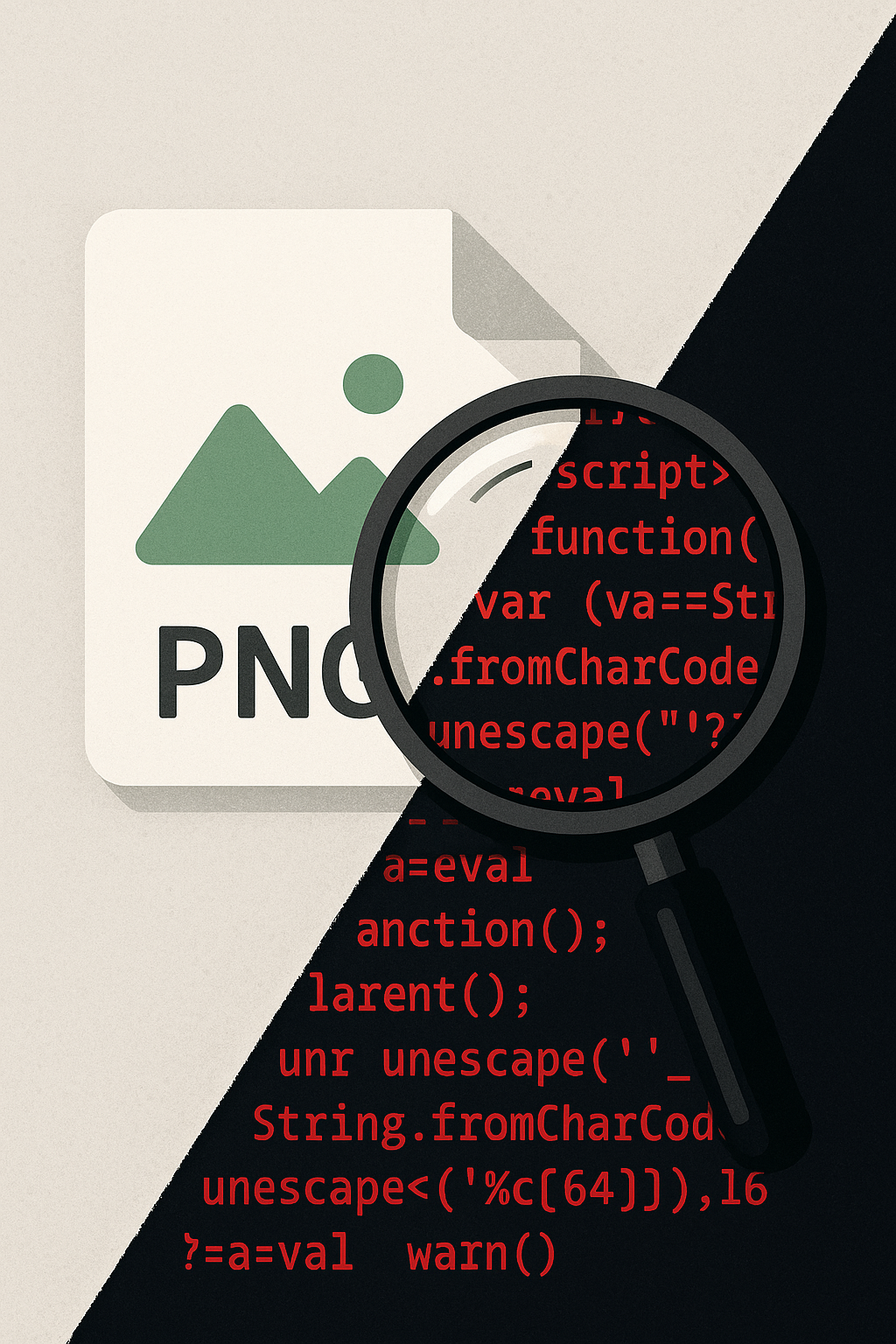
That PNG attachment in your inbox might be more than just pixels.
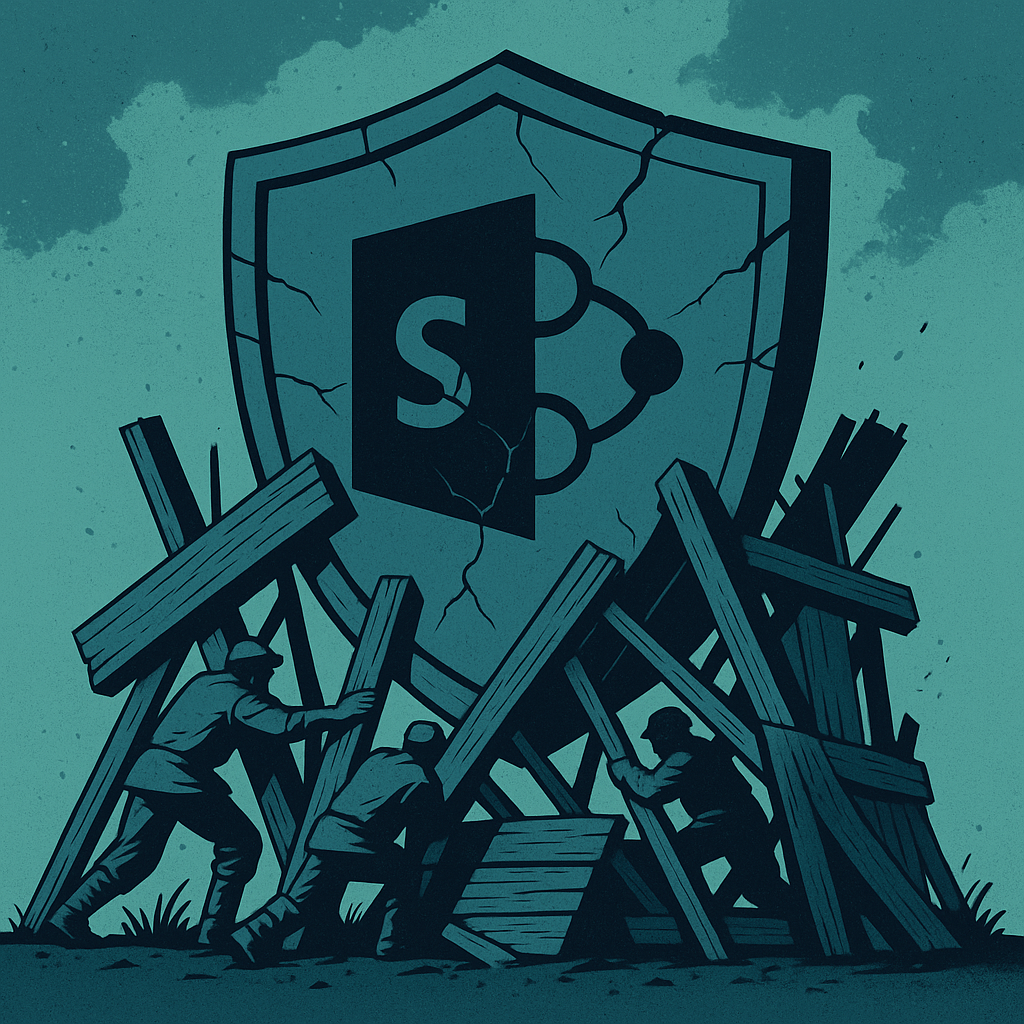
When Microsoft tells you to unplug your own servers, do not stop, do not pass Go and do not collect $200. Kindly proceed directly to your server room.
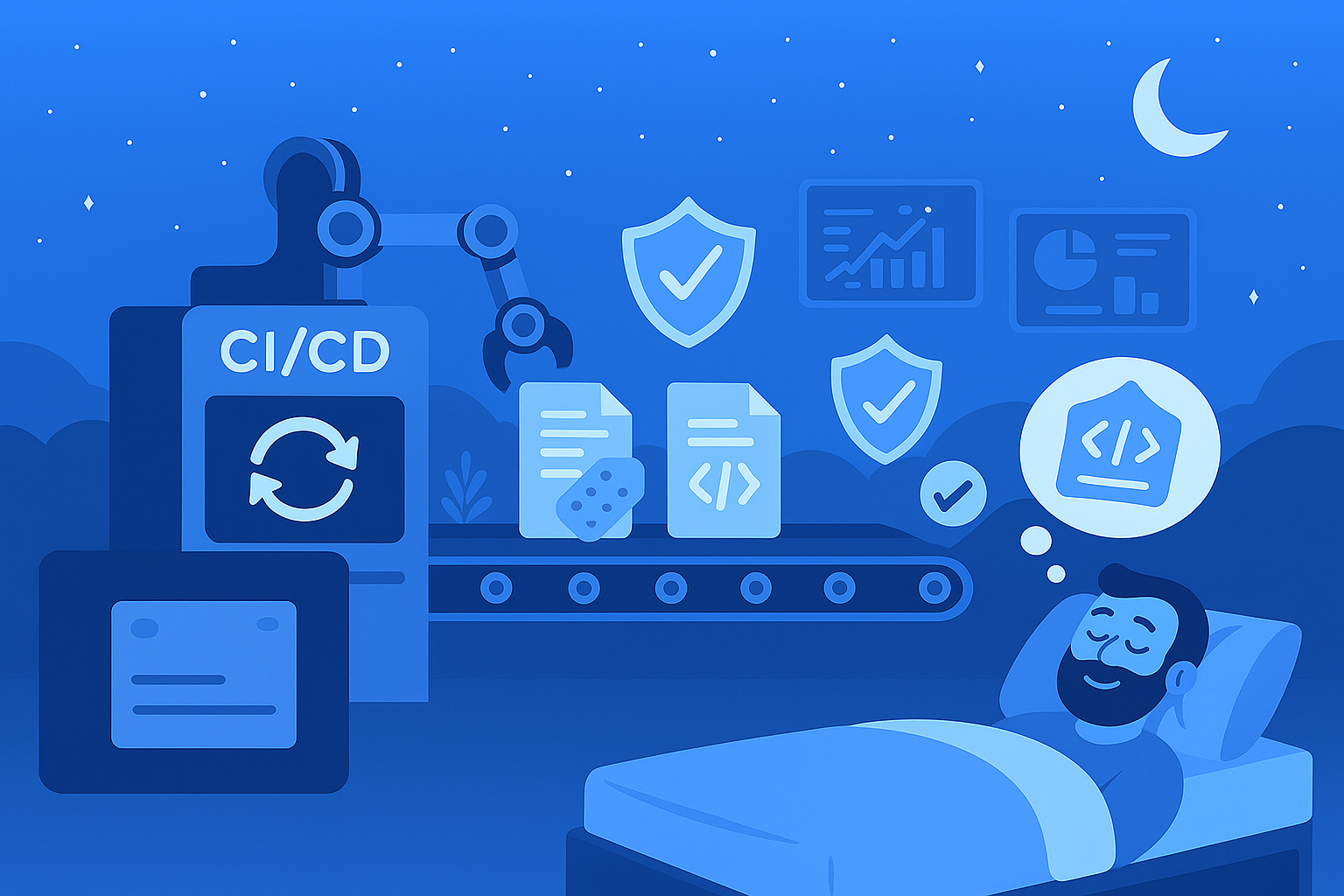
In my years of penetration testing and security consulting, I have learned two truths. First, vulnerabilities wait for no one. Second, if patching is not automated, it will be delayed, and those delays can eventually come back to bite you. I have lost count of the times a client said, “We will handle that next sprint,” only to find their systems...
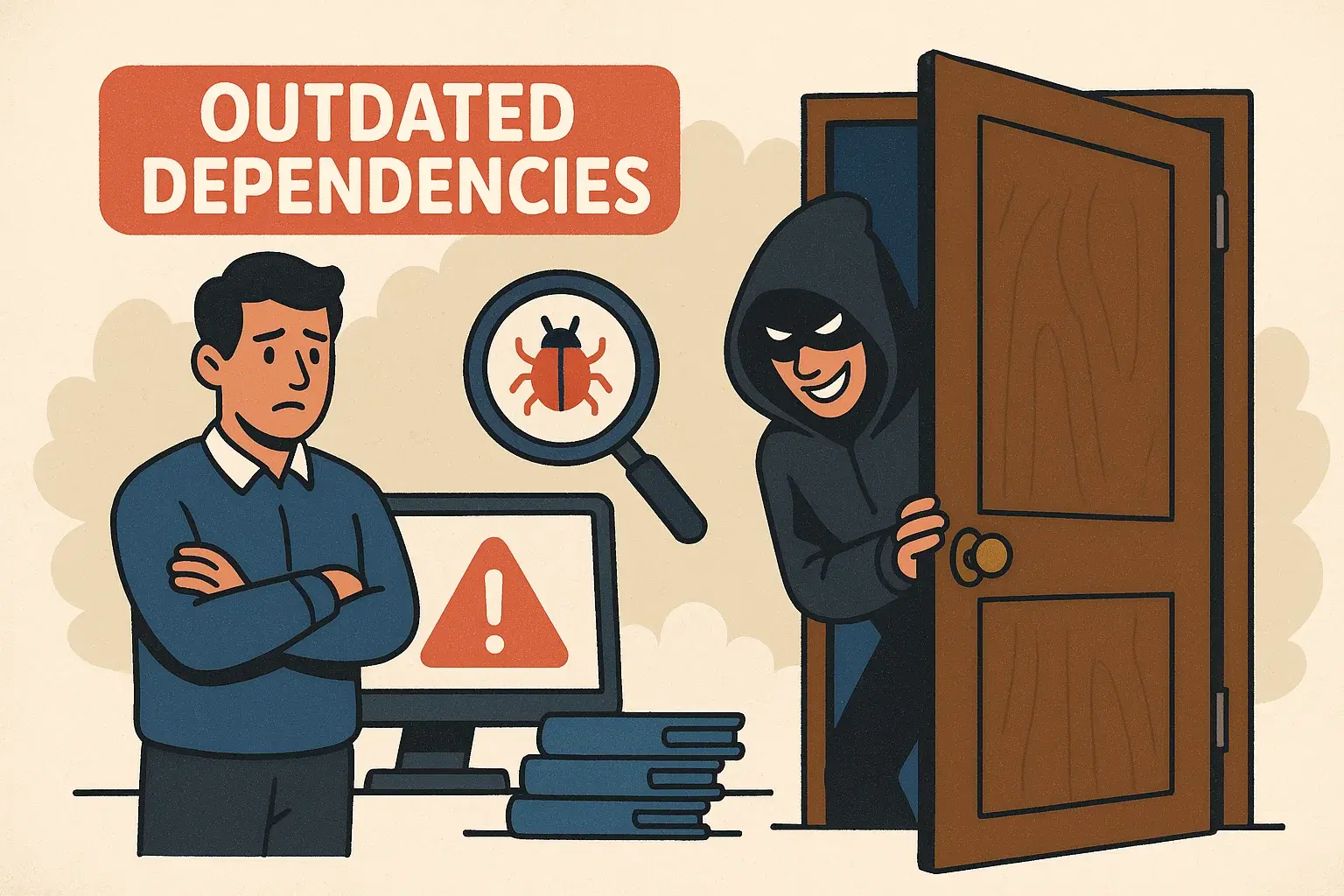
If patching your main applications is like locking your front door, updating your dependencies is like checking the windows, the back door, and that cellar hatch you forgot existed.
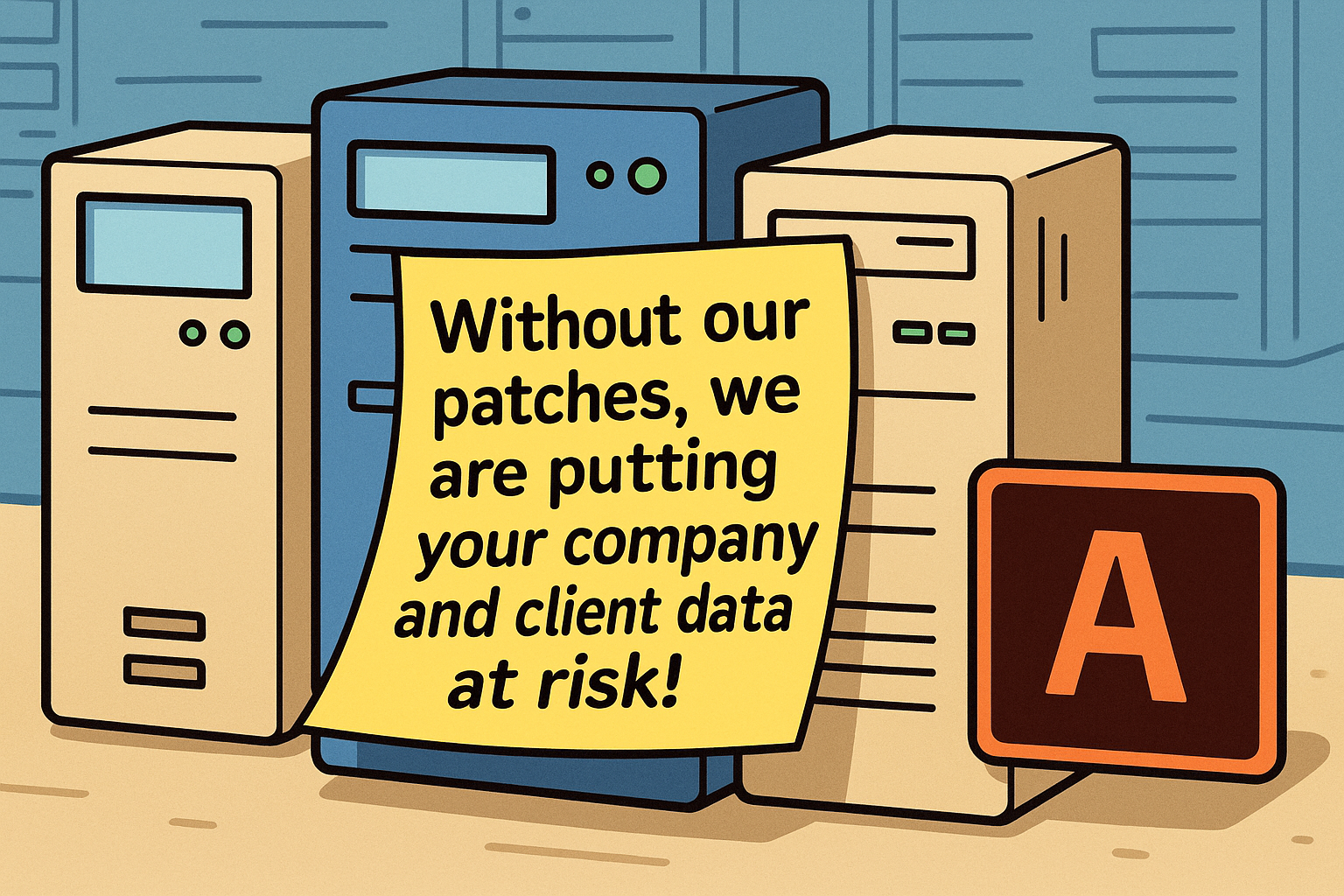
The Toothbrush Principle of Cybersecurity Let’s start simple: patching is the process of applying software updates that fix bugs, close security holes, and occasionally add new features. Vendors like Microsoft, Adobe, Apple, and countless others release these patches regularly — sometimes on predictable schedules (“Patch Tuesday”), other times as...
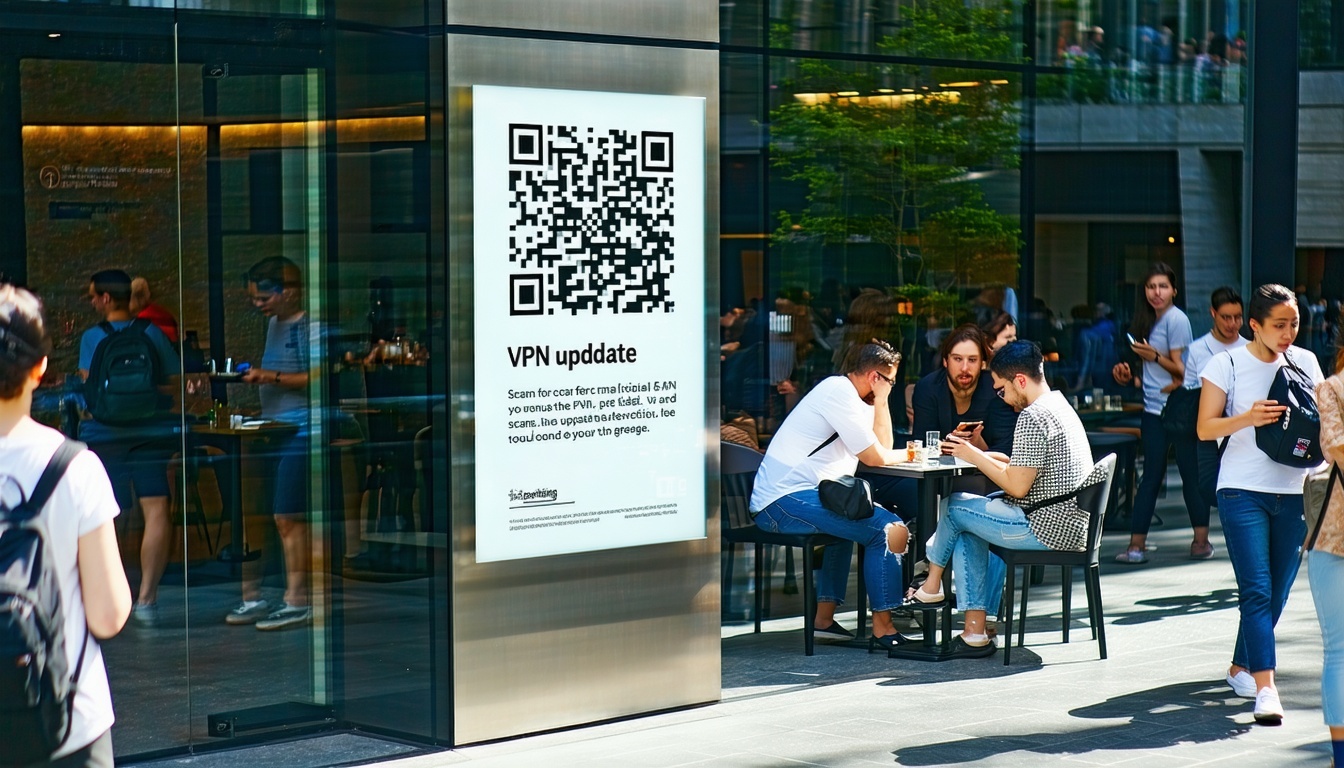
QR codes were the unassuming heroes of the pandemic. No menus? No problem—just scan. Need to check in, download, verify, or pay? There’s a code for that. They were fast. Frictionless. Ubiquitous.

Let’s get one thing straight: artificial intelligence isn’t coming for cybersecurity. It’s already here. And it’s playing for both teams.

Here’s a practical, jargon-free breakdown of the security model that’s changing everything.

In today’s high-stakes digital landscape, partnering with the right cybersecurity provider can make or break your business. While large firms offer benefits such as scale and automation, many organizations are turning to boutique cybersecurity consulting firms for tailored, highly-individualized services that adapt to their specific needs.